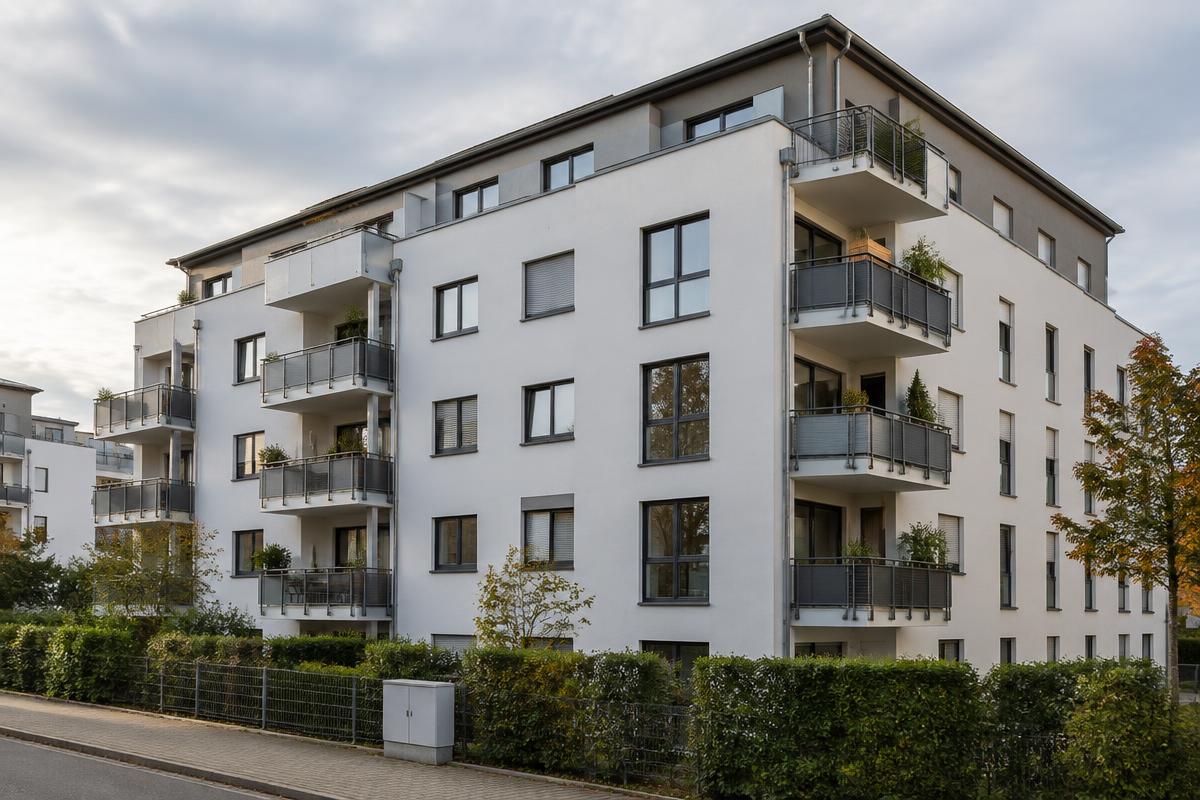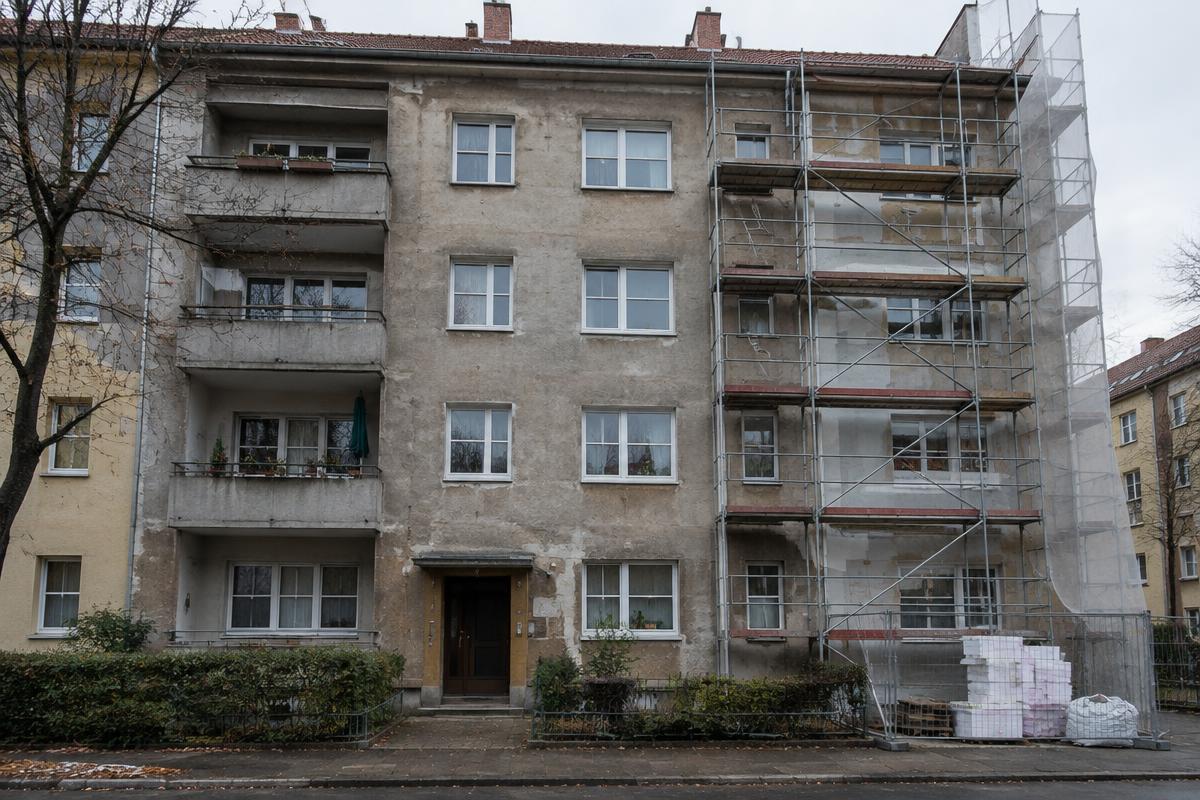
Estate: everything a deceased person leaves behind
 Kevin Celentano
Investment Advisor at InvestImmo
01Key Points at a Glance
- Assets and liabilities: The estate includes assets and liabilities. If its debts exceed its assets, the inheritance can be a burden.
- Disclaiming an inheritance: Heirs can disclaim an inheritance within six weeks of learning of the death and the basis of their entitlement to inherit (§ 1944 BGB). For those resident abroad, the period is six months.
- Proof of entitlement: Heirs prove their entitlement to inherit to the Land Registry and the bank by presenting a certificate of inheritance (§ 2353 BGB) or a notarised will together with the official record of its opening (§ 35 GBO).
- Limiting liability: Liability can be limited to the estate through court-appointed estate administration or estate insolvency proceedings (§ 1975 BGB).
02What a Property Estate Includes
| Assets | Liabilities |
|---|---|
| Ownership of flats and houses | Outstanding loan balances |
| Tenancy agreements and the associated rent receivables | Outstanding service charges, approved special levies |
| Invested tenancy deposits (to be kept separate from the assets) | Obligation to repay tenancy deposits |
| Bank balances | Funeral expenses (§ 1968 BGB) |

03Steps to Take Following a Death
- Arrange for the will to be submitted to the probate court and await its opening.
- Review the estate: Land Registry extracts, loan agreements, tenancy agreements and service charge statements.
- Decide whether to accept or disclaim the inheritance, observing the deadline.
- Apply for a certificate of inheritance if there is no notarised will.
- Arrange for the land register to be updated.
- Notify the tenants, property management company, bank and tax office.
04Example: Do the Debts Exceed the Assets?
Assumptions (hypothetical): An estate consists of a rented flat with a market value of €180,000, a loan with an outstanding balance of €150,000 and €8,000 in bank balances. Service charges of €1,200 remain unpaid.
- Balance: €188,000 in assets minus €151,200 in debts leaves a surplus of €36,800.
- Implication: On these figures, the inheritance is financially worthwhile. If the market value is significantly lower, for example because of a backlog of renovation work, the picture can change. The deadline for disclaiming the inheritance then becomes crucial.
05What This Means for Property Investors
- Keep affairs in order during your lifetime: An overview of assets, including loans, tenancy agreements and bank accounts, helps heirs make a decision within the short deadline.
- Multiple heirs: The estate then belongs to the community of heirs.
FAQFrequently asked questions
Does a life insurance policy form part of the estate?
If a beneficiary is named, the payout generally does not form part of the estate but goes directly to that person. It may nevertheless be subject to inheritance tax.
Who administers the estate until the position is clarified?
The heirs jointly. If they are unknown or it is uncertain whether the inheritance has been accepted, the probate court may appoint an estate custodian (§ 1960 BGB).
06Sources
- § 1922 BGB, § 1944 BGB, § 1960 BGB, § 1967 BGB, § 1975 BGB, accessed on 14 October 2026
- § 35 GBO, accessed on 14 October 2026
Writes about Purchase process, Notary and land registry and Letting.
Kevin combines twelve years of sales experience with nine years specialising in property and more than 500 consultations. He writes about property quality, location risks and a safe path from the first comparison to completion.
Last updated: 15 October 2026. General information only; not a substitute for legal or tax advice.