Buying a Plattenbau Apartment: Assessing the Risks
What investors should check in the building, owners’ association and financing.
 Eduard Winter
Investment Advisor at InvestImmo
Illustrative assumption, not a market offer: a rented two-room apartment for €85,000 with a gross rental yield above 5%. A calculation like this can make a prefabricated concrete apartment attractive to investors with a small budget. But a low purchase price does not mean low risk.
It is not that simple. The structure and refurbishment history of a Plattenbau must be checked for the specific building. These buildings have particular vulnerabilities, and the immediate neighbourhood is crucial to whether an apartment can remain lettable.
01What is a Plattenbau?
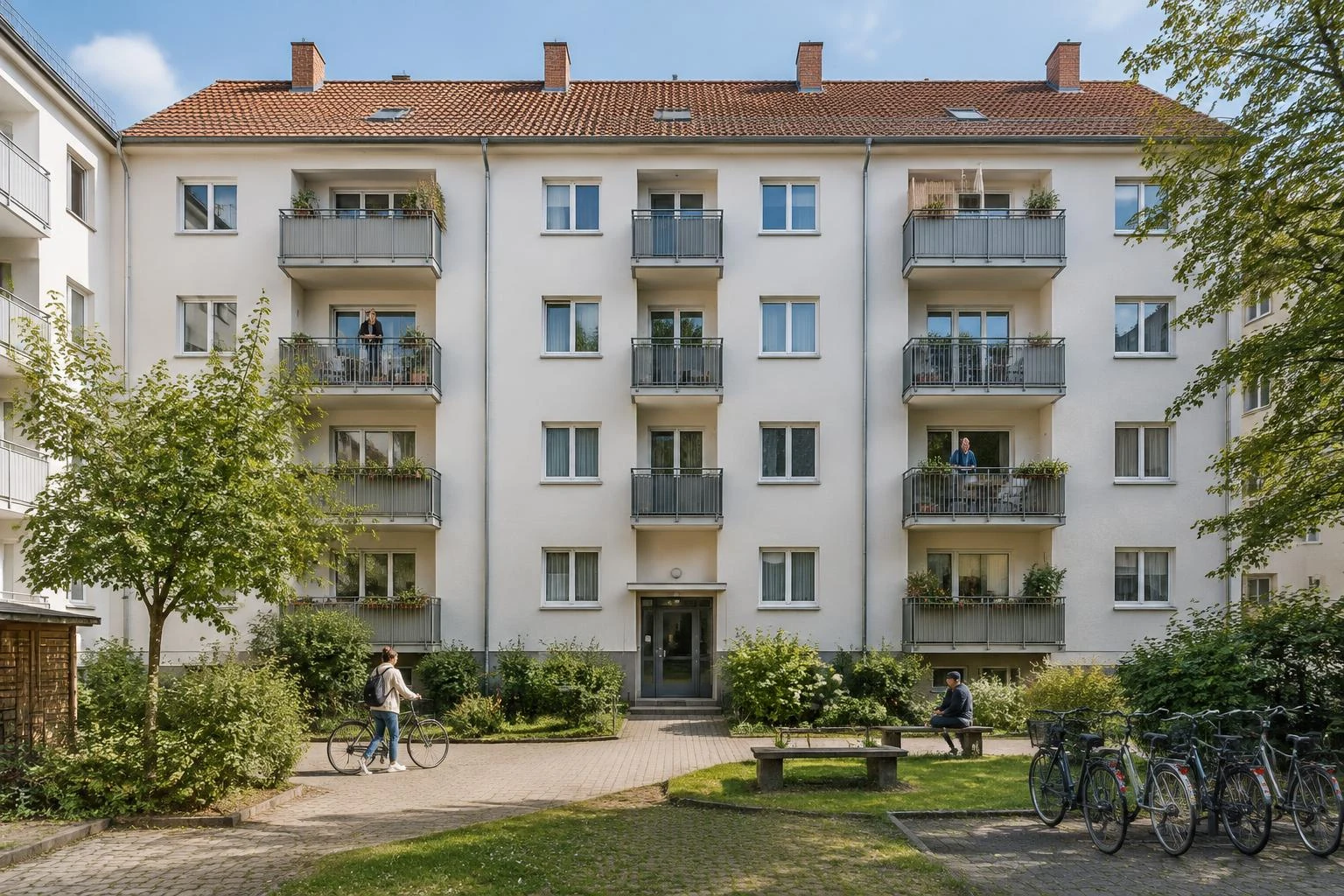
A Plattenbau consists of large concrete panels manufactured in a factory and assembled on site.
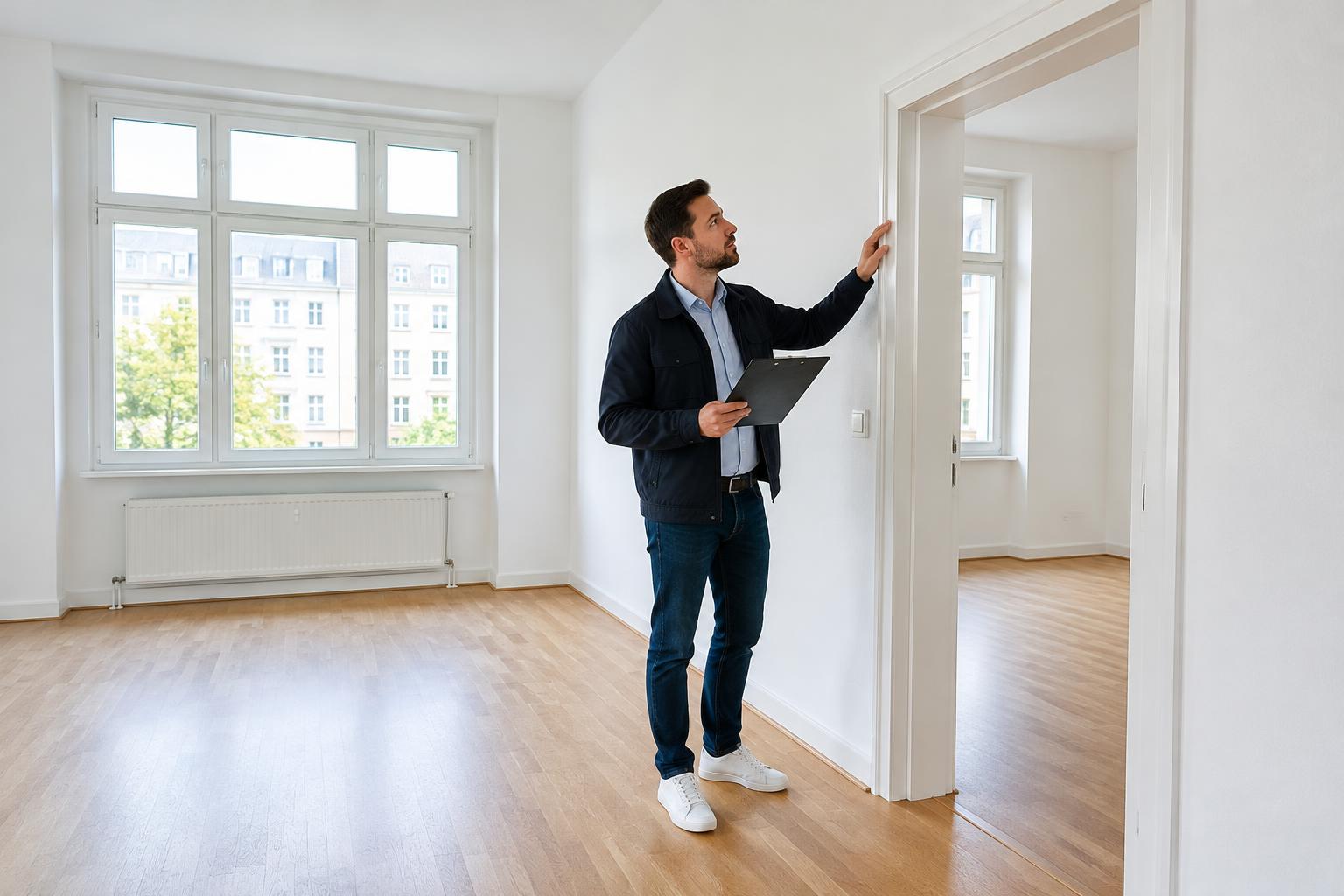
Layout, number of storeys and equipment must be checked for the individual building. Owners may include housing companies, cooperatives or individual apartment owners. When buying an individual apartment, review the declaration of division and the community rules in particular.
02Building fabric: strengths and vulnerabilities
Structure. The load-bearing concrete walls are substantial, but that does not establish structural safety in every case. Damage and previous alterations need professional assessment. Changes to load-bearing walls require structural checks and potentially further approvals or permissions. Layout flexibility is therefore limited.
Panel joints. The joints between panels need effective sealing. Deteriorating seals allow moisture ingress, while panel connections can create thermal bridges. Damp corners and mould on external-wall corners are warning signs in an unrefurbished building.
Balconies and loggias. Reinforcement in projecting concrete slabs can corrode over the decades if water penetrates. Spalling on the underside and rust stains are possible indicators. Check whether balconies have been renewed and what further work a qualified expert recommends. Whether costs arise, and their amount, depend on the findings and planned works.
Pipes and bathrooms. Use documentation and a professional inspection to establish the age and condition of water and wastewater risers. Replacing them affects the vertically connected apartments and is costly. See Strangsanierung: replacing communal risers.
Hazardous materials. Before Germany’s asbestos ban in 1993, asbestos was used in many building products, including some floor coverings, adhesives and fillers. Fibre-release risk depends on factors including how the asbestos is bound and the material’s condition; an undamaged surface is not a general all-clear. Before drilling, sanding or demolition involving suspect materials, arrange a competent assessment. If asbestos is identified, applicable protection and disposal requirements must be followed.
Energy. Unrefurbished buildings can perform poorly, while refurbished buildings may achieve reasonable energy performance. Many use district heating. The Energieausweis, Germany’s energy performance certificate, provides information on the building. See Energieausweis for landlords.
03Neighbourhood and owners’ association
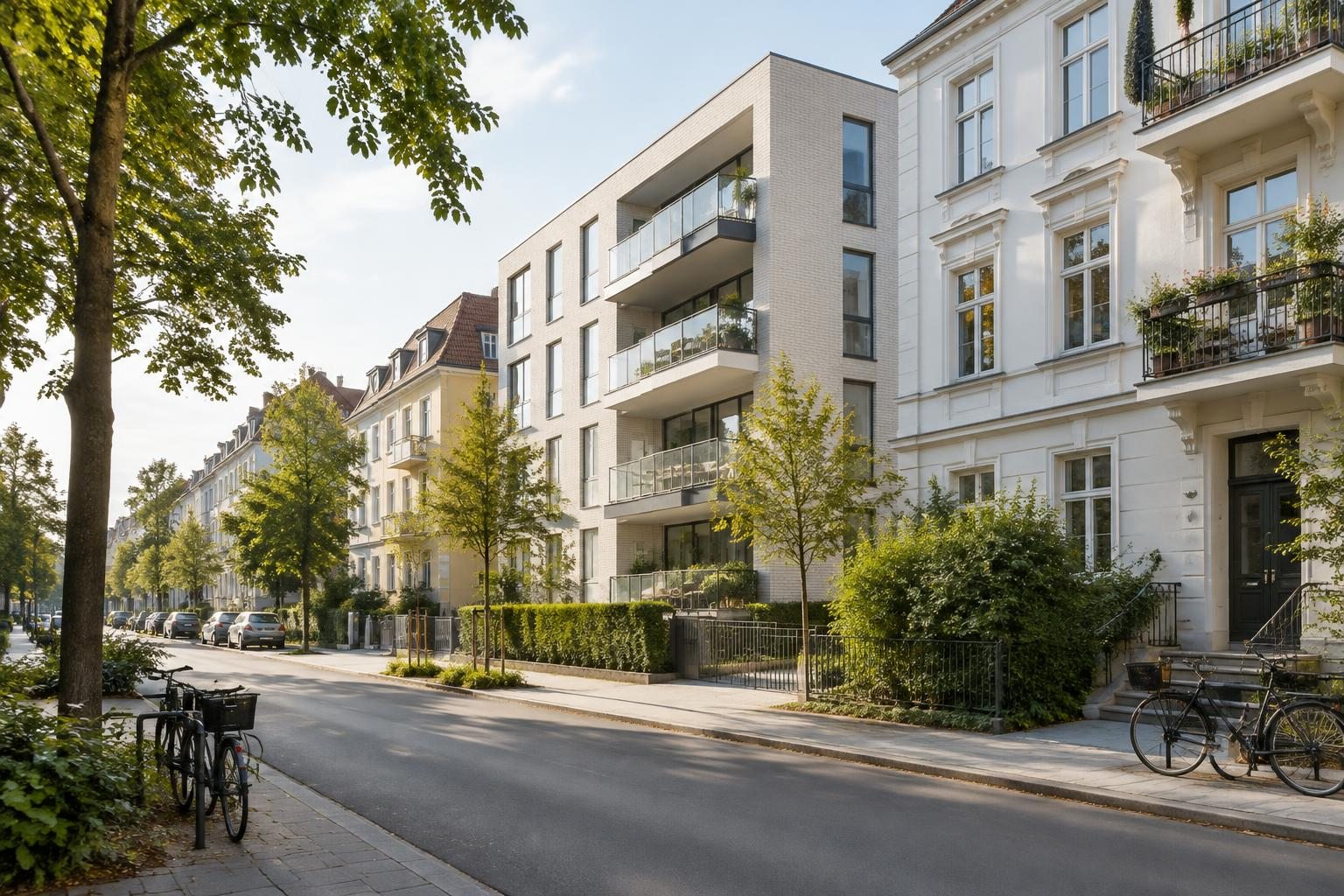
Letting prospects cannot be inferred from the construction method or citywide trends alone. For the specific neighbourhood, check current vacancies, comparable rental listings and access to essential amenities.
Check the neighbourhood: how many apartments are vacant in this building and neighbouring buildings? Are public transport, shops and schools available? Is the area receiving investment or deteriorating? See Checking the micro-location and Investment property in Halle.
The Wohnungseigentümergemeinschaft, the association of apartment owners, is the second consideration. A subdivided Plattenbau can contain a large number of apartments. Costs are shared across many owners, but resolutions can take time, your individual influence is limited, and owners with tight budgets may resist reserve contributions.
Under § 19 Abs. 2 Nr. 4 WEG, an appropriate Erhaltungsrücklage forms part of proper management. What is appropriate depends on the building’s condition. An unrefurbished building with a small reserve increases the risk of additional payments; their amount and timing depend on the works, financing and resolutions. See Property maintenance costs for assessing reserves and maintenance needs.
04Refurbished or original condition: what the price must reflect
Two apartments of the same size can have very different values. Alongside the apartment’s condition, equipment and tenancy, the building and location play a substantial role.
| Component | Comprehensively refurbished | Original condition |
|---|---|---|
| Façade and joints | Insulated, joints resealed | Ageing joints, thermal bridges, moisture risk |
| Windows | Insulating glazing in plastic or timber frames | Old windows, high heating costs |
| Balconies | Renewed or independently supported | Possible concrete damage |
| Risers | Document replacement and check condition | Check condition and replacement needs |
| Reserve | Assess against remaining needs | Assess potentially greater financing needs |
| Purchase price | Assess against comparable offers and remaining refurbishment needs | Assess together with the refurbishment required |
An unrefurbished building is not necessarily unsuitable for purchase. However, the price must account for your share of upcoming work. Also check whether the reserve, planned contributions and any additional financing can cover it.
05Illustrative calculation: an apartment in Halle
Lena, a 33-year-old software developer, buys a rented 58 m² apartment with two rooms in a refurbished Plattenbau in Halle for €85,000. Rent excluding service charges is €6.50 per m². She finances 80% of the purchase price and pays the remainder and acquisition costs from savings. The name is fictional, and the figures are an illustration, not a forecast.
| Item | per year | per month |
|---|---|---|
| Rent excluding service charges (58 m² × €6.50) | €4,524 | €377.00 |
| Non-recoverable cash outflow including reserve contribution (assumption) | −€1,000 | −€83.33 |
| Loan payments (€68,000, 3.8% interest, 1.5% initial repayment) | −€3,604 | −€300.33 |
| Pre-tax cash flow | −€80 | −€6.67 |
Under these illustrative assumptions, the base scenario has a pre-tax shortfall of approximately €7 per month. Initial annualised principal repayment is €1,020; with monthly annuity payments, the repayment component changes during the year. Equity required is €23,183, plus a separate liquidity buffer. A small calculated shortfall does not establish long-term investment viability.
Now consider the risks. Individual events can have a substantial effect on a low-priced apartment because the absolute rent is small.
Six months of vacancy removes six months of rent: more than €2,200. A €4,000 special assessment is almost a full year’s rent. Such amounts can be significant regardless of purchase price. In this example, six months without rent reduces annual cash flow from −€80 to −€2,342; a separate additional €4,000 special assessment reduces it to −€4,080. During vacancy, the owner may also have to bear costs previously recoverable from the tenant. Due diligence is therefore no less important for a Plattenbau apartment—and may be more important.
06Pre-purchase checklist
- 01Document refurbishment.
Which components were renewed, and when: façade insulation, joints, windows, roof, balconies, risers, electrics and lift? Request evidence and dates.
- 02Read the minutes.
What has been approved, and what has been postponed for years? How large are planned special assessments? See Checking Eigentümerversammlung minutes.
- 03Put the reserve in context.
Compare the reserve per m² of living space against refurbishment needs. Expected works and their financing matter, not just the amount per m².
- 04Ask about vacancy.
Ask the property manager how many apartments are empty and whether owners have Hausgeld arrears—unpaid contributions towards communal costs.
- 05Inspect the apartment.
Check external-wall corners for damp, windows, bathroom, ventilation and flooring. Have suspect materials assessed before planned renovation.
- 06Check the neighbourhood.
Examine surrounding vacancy, public transport, shopping and local investment.
- 07Stress-test the figures.
Also calculate cash flow with six months of vacancy and a special assessment. Can your finances absorb it?
07Risks when buying a Plattenbau apartment
- Vacancy. Reletting can take longer in shrinking regions or weak neighbourhoods. With low rents, every vacant month matters.
- Special assessments. Planned work on façades, balconies, risers or lifts may require additional financing. Review planned works, reserves and the association’s resolutions; a low reserve alone determines neither the amount nor the due date of additional payments.
- Limited influence. In large associations, majorities may make decisions based on priorities different from yours.
- Uncertain value development. Location, condition, demand and financing options determine resale value. Prices can also fall. Your calculation should not depend on appreciation.
- Hazardous materials during renovation. Replacing floors can reveal asbestos-containing adhesives or coverings, increasing renovation costs.
- Resale. The buyer pool can be limited in weaker locations. A low bank lending valuation can increase equity requirements and make financing more difficult.
- The building is comprehensively refurbished, with documentation
- The reserve matches the building’s condition
- The city is growing or stable and the neighbourhood attracts demand
- Your reserves can cover vacancy and special assessments
- Unrefurbished building with a small reserve
- High vacancy in the building or estate
- Your calculation depends on price appreciation
- You have no buffer for several months without rent
FAQFrequently asked questions
Is a Plattenbau apartment a good investment?
It depends on the specific building, price, tenant demand and financing. Include repairs, vacancy and possible special assessments; a high gross rental yield is not sufficient.
How long does a Plattenbau last?
The construction method alone cannot establish remaining useful life. The structure, joints, balconies, roof and pipes require assessment based on condition and maintenance.
Can Plattenbau apartments contain asbestos?
Older buildings may contain asbestos in floor coverings, adhesives and fillers, among other materials. Risk depends on the material and its condition. Arrange competent assessment before disturbing suspect materials.
Why can Plattenbau apartments be inexpensive?
Location, demand, condition, layout and refurbishment needs can affect prices. A low price may reflect substantial future costs.
What should I check in the owners’ association?
Review the Erhaltungsrücklage, planned works, resolutions, postponed maintenance, Hausgeld arrears and financing of upcoming refurbishment.
Will banks finance a Plattenbau apartment?
Financing is possible in principle but depends on the lender, property valuation and borrower’s creditworthiness. A low lending valuation can require additional equity.
08Further reading
- Recognising a refurbishment backlog
- Strangsanierung
- Property maintenance costs
- Investment property in Halle
- Building surveyor costs
09Sources
- Wohnungseigentumsgesetz (WEG), § 19 Abs. 2 Nr. 4: an appropriate Erhaltungsrücklage as part of proper management.
- All amounts in the example are illustrative assumptions or calculations derived from them, not market data.
- BAuA: asbestos questions and answers.
- BFH IX R 19/24: maintenance reserves.
Note: This guide does not replace legal, tax or investment advice. Building-related guidance does not replace an expert inspection. The illustrative calculation is simplified and is not a forecast.
Writes about Taxes, AfA (depreciation), Existing properties and Portfolio building.
Since 2020, Eduard has bought seven properties of his own and supported more than 150 clients. He writes about tax levers, property documents and portfolio building – with honest numbers instead of rosy projections.
This guide does not replace tax or legal advice. All figures are example calculations with disclosed assumptions.